
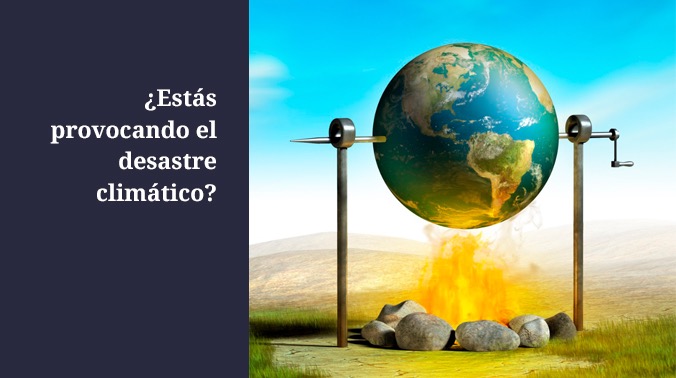
I'm reading Bill Gates« new book, »How to Avoid a Climate Disaster: The Solutions We Have and the Breakthroughs We Need.“.
It's a superbly well-researched book that offers us a raw, intelligent, and hopeful overview of where we are and what we need to do to reach zero emissions by 2050.
With an engineer's and financier's mind, Gates introduces the concept of «green premiums,» meaning the cost of being virtuous. This is a formula that allows for the calculation of the economic cost of deploying clean energy solutions compared to the cost of continuing to generate energy through traditional methods that emit large amounts of carbon into the atmosphere.
Your thesis is simple. We have to offer economically competitive energy alternatives to break the stalemate we are in. To do this, you analyze the costs and characteristics of the main current energy sources and compare them with developing or yet-to-be-invented sources. For example, you compare solar, wind, tidal, nuclear, geothermal, fusion, hydrogen, and biofuel with hydroelectric, coal, and oil.
Your economic analysis of our love affair and dependence on oil is revealing. Likewise, so is having a comprehensive overview of the landscape of alternatives. Both enlighten and empower.
To help us understand global energy consumption patterns, break down consumption into five primary activities that make up current life. This analysis helped me understand the immense amount of greenhouse gas we generate through different economic activities.
The list presents activities in order of highest to lowest polluting effect:
- 31% is generated through the things we build and produce. Think of buildings, cars, computers, and household appliances—anything made with cement, steel, or plastic.
- 27% is generated by the electricity we use to light our cities, homes, and appliances.
- 19% is produced by the animals and plants we raise or grow for food.
One of the data points that surprised me, given all the media buzz surrounding the polluting effect of gasoline cars, is that the transportation sector is in third place:
- 16 % is generated by the modes of transportation we use, such as cars and airplanes, as well as the modes we use to transport all kinds of goods.
- And finally, 7% is generated through air conditioning. This includes the heating we use to stay warm in the winter and the air conditioning we use to stay cool in the summer. It also includes the refrigeration we use to preserve our food.
So, what can you and I do to help mitigate the impending climate disaster?
- Educate ourselves on what causes it. This book is a good place to start. Now, it's important to note that no single book contains all the truth, and therefore, it is essential to read a lot to form an educated opinion. Reading for at least 20 minutes daily will open your eyes.
- Modify our consumption in each of the five categories we've just reviewed. A good starting point, which the COVID lockdown has helped illustrate, is that we require fewer material goods to be happy. So let's consume less and save more.
- Support responsible companies and stop buying from or investing in polluting companies. Recognize that merely by opening or closing our portfolios, we determine which companies will live or die in the future. Be a responsible consumer and investor.
- If you are a business owner, make sure your way of making money helps to care for and regenerate the environment.
It is in small, consistent actions, repeated over and over, that big changes are achieved.
Remember that you are an example for everyone around you. Be an example of coherence! Embrace your greatness and become a mentor and guide for your family, your colleagues, and society.
Mitigating the climate disaster is within reach. Let's embark together on the path toward sustainability of life on Earth.